AI Tools for Healthcare Professionals: Automate Clinical Workflows Without Coding
Healthcare professionals spend countless hours on administrative tasks—documentation, patient communication, insurance verification, and data entry—that take time away from patient care. Custom AI tools can automate these repetitive clinical workflows in minutes, without requiring any programming knowledge.
Whether you're a physician managing patient records, a nurse coordinator handling referrals, or a practice administrator processing insurance claims, learning to build AI tools for healthcare can transform your daily workflow and give you more time for what matters: patient care.
Why Healthcare Professionals Need Custom AI Tools
Generic AI chatbots can't handle the specific, compliance-sensitive tasks healthcare requires. Custom AI tools offer:
- HIPAA-compliant automation - Process sensitive data securely
- Clinical accuracy - Designed for medical workflows
- Time savings - Automate hours of daily admin work
- Reduced burnout - Less paperwork, more patient time
- Zero coding required - Built in under 60 seconds
- Shareable with staff - Entire team can use immediately
Real Healthcare AI Tools You Can Build Today
Patient Communication Tools
Medical Report Summarizer:
- Input: Lab reports, imaging results, pathology reports
- Output: Patient-friendly summary in plain language
- Use case: Patient portal communications
- Time saved: 10 minutes per report
- Impact: Improved patient understanding and satisfaction
Discharge Instructions Generator:
- Input: Diagnosis, medications, follow-up requirements
- Output: Clear, formatted discharge instructions
- Use case: Hospital discharge process
- Time saved: 8 minutes per patient
- Impact: Reduced readmission rates
Appointment Reminder Composer:
- Input: Patient name, appointment date/time, preparation needed
- Output: Personalized reminder messages (SMS/email)
- Use case: Reducing no-shows
- Time saved: 3 minutes per patient
- Impact: 30% reduction in missed appointments
Patient Question Response Generator:
- Input: Patient inquiry from portal
- Output: Professional, empathetic response draft
- Use case: After-hours portal management
- Time saved: 5 minutes per message
- Impact: Faster patient response times
Clinical Documentation Tools
SOAP Note Template Filler:
- Input: Voice-recorded patient encounter notes
- Output: Structured SOAP note with ICD-10 codes
- Use case: Post-visit documentation
- Time saved: 15 minutes per patient
- Impact: 2+ hours daily for physicians
Referral Letter Generator:
- Input: Patient history, reason for referral, specialist needed
- Output: Complete referral letter with relevant history
- Use case: Specialist coordination
- Time saved: 12 minutes per referral
- Impact: Faster specialist appointments
Progress Note Summarizer:
- Input: Multiple previous visit notes
- Output: Concise patient history summary
- Use case: New patient reviews, continuity of care
- Time saved: 20 minutes per complex patient
- Impact: Better clinical decision-making
Prior Authorization Request Builder:
- Input: Treatment plan, diagnosis, clinical justification
- Output: Complete prior auth request with supporting documentation
- Use case: Insurance approvals
- Time saved: 25 minutes per request
- Impact: Faster treatment starts
Administrative & Billing Tools
Insurance Verification Parser:
- Input: Insurance verification PDF
- Output: Excel with coverage details, copays, deductibles
- Use case: Front desk check-in
- Time saved: 5 minutes per patient
- Impact: Reduced claim denials
Medical Coding Assistant:
- Input: Clinical notes and diagnoses
- Output: Suggested CPT and ICD-10 codes
- Use case: Medical billing
- Time saved: 8 minutes per encounter
- Impact: Improved coding accuracy
Claim Denial Analyzer:
- Input: Denial letter from insurance
- Output: Reason summary and appeal template
- Use case: Revenue cycle management
- Time saved: 15 minutes per denial
- Impact: Higher successful appeal rate
Patient Statement Generator:
- Input: Account balance, insurance payments, services rendered
- Output: Clear, itemized patient statement
- Use case: Billing communications
- Time saved: 5 minutes per statement
- Impact: Faster patient payments
Research & Quality Improvement Tools
Literature Review Summarizer:
- Input: Medical journal article PDF
- Output: Methods, results, clinical implications summary
- Use case: Evidence-based practice updates
- Time saved: 20 minutes per article
- Impact: Stay current with medical literature
Clinical Trial Eligibility Screener:
- Input: Patient demographics, diagnoses, medications
- Output: Matching clinical trials list
- Use case: Research recruitment
- Time saved: 30 minutes per patient screening
- Impact: Improved trial enrollment
Quality Metrics Extractor:
- Input: EHR data export
- Output: Dashboard of quality measures (HEDIS, MIPS)
- Use case: Performance reporting
- Time saved: 2 hours per reporting period
- Impact: Better quality scores
Adverse Event Reporter:
- Input: Incident description, patient details
- Output: Formatted FDA MedWatch report
- Use case: Safety compliance
- Time saved: 20 minutes per report
- Impact: Improved patient safety
Pharmacy & Medication Management Tools
Medication Reconciliation Checker:
- Input: Hospital discharge meds, home medication list
- Output: Discrepancies highlighted, reconciled list
- Use case: Transitions of care
- Time saved: 10 minutes per patient
- Impact: Reduced medication errors
Drug Interaction Analyzer:
- Input: Patient's complete medication list
- Output: Potential interactions with severity ratings
- Use case: Medication safety review
- Time saved: 8 minutes per patient
- Impact: Prevented adverse drug events
Prior Authorization Formulary Checker:
- Input: Prescribed medication, patient insurance
- Output: Formulary status, alternatives if needed
- Use case: E-prescribing workflow
- Time saved: 5 minutes per prescription
- Impact: Fewer pharmacy callbacks
Medication Education Generator:
- Input: Drug name and patient reading level
- Output: Customized patient education handout
- Use case: Pharmacy counseling
- Time saved: 7 minutes per new prescription
- Impact: Improved medication adherence
How to Build Your First Healthcare AI Tool
Step 1: Access the Healthcare AI Tool Builder
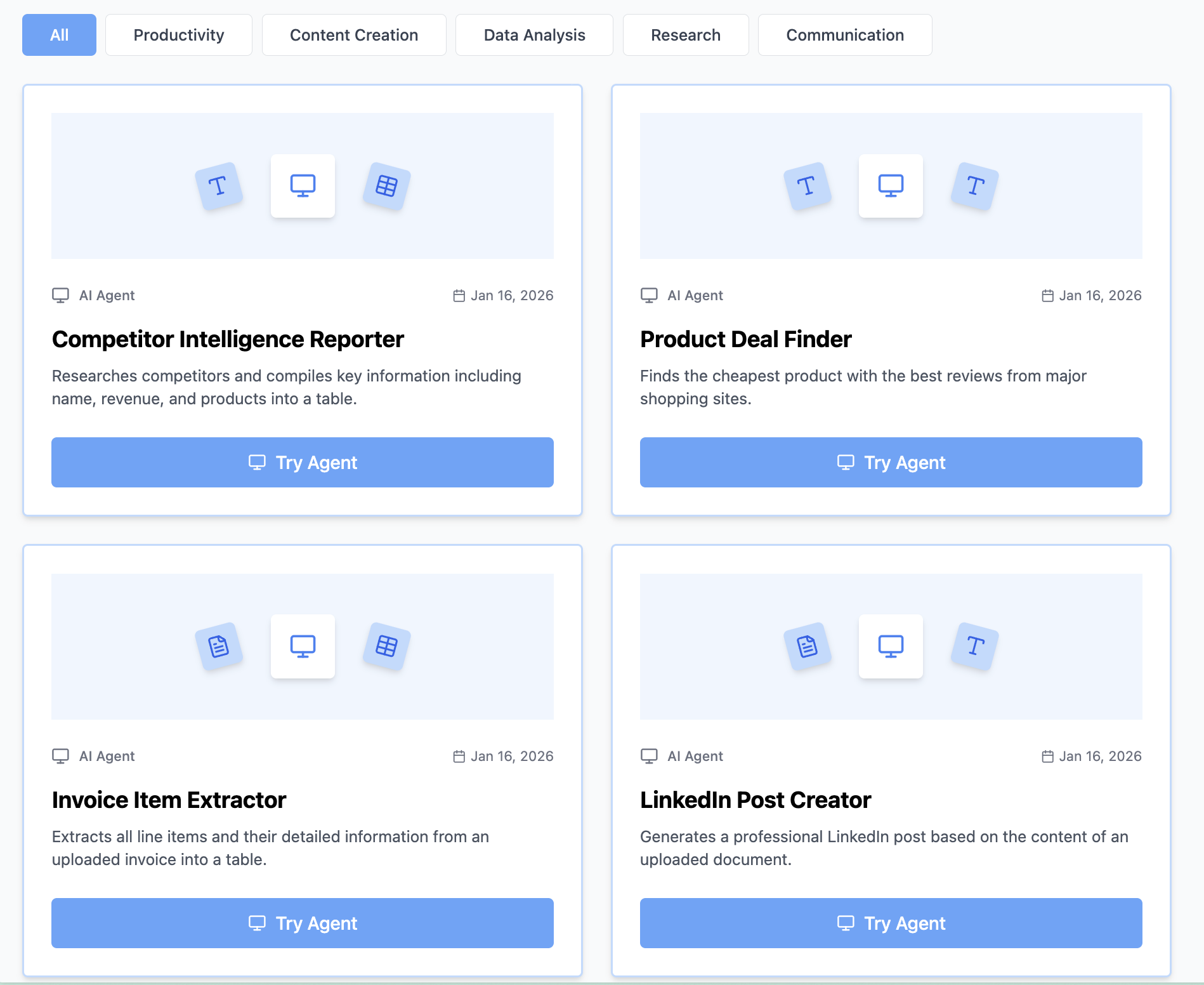
Visit https://www.miskies.app/agents and click "Create+".
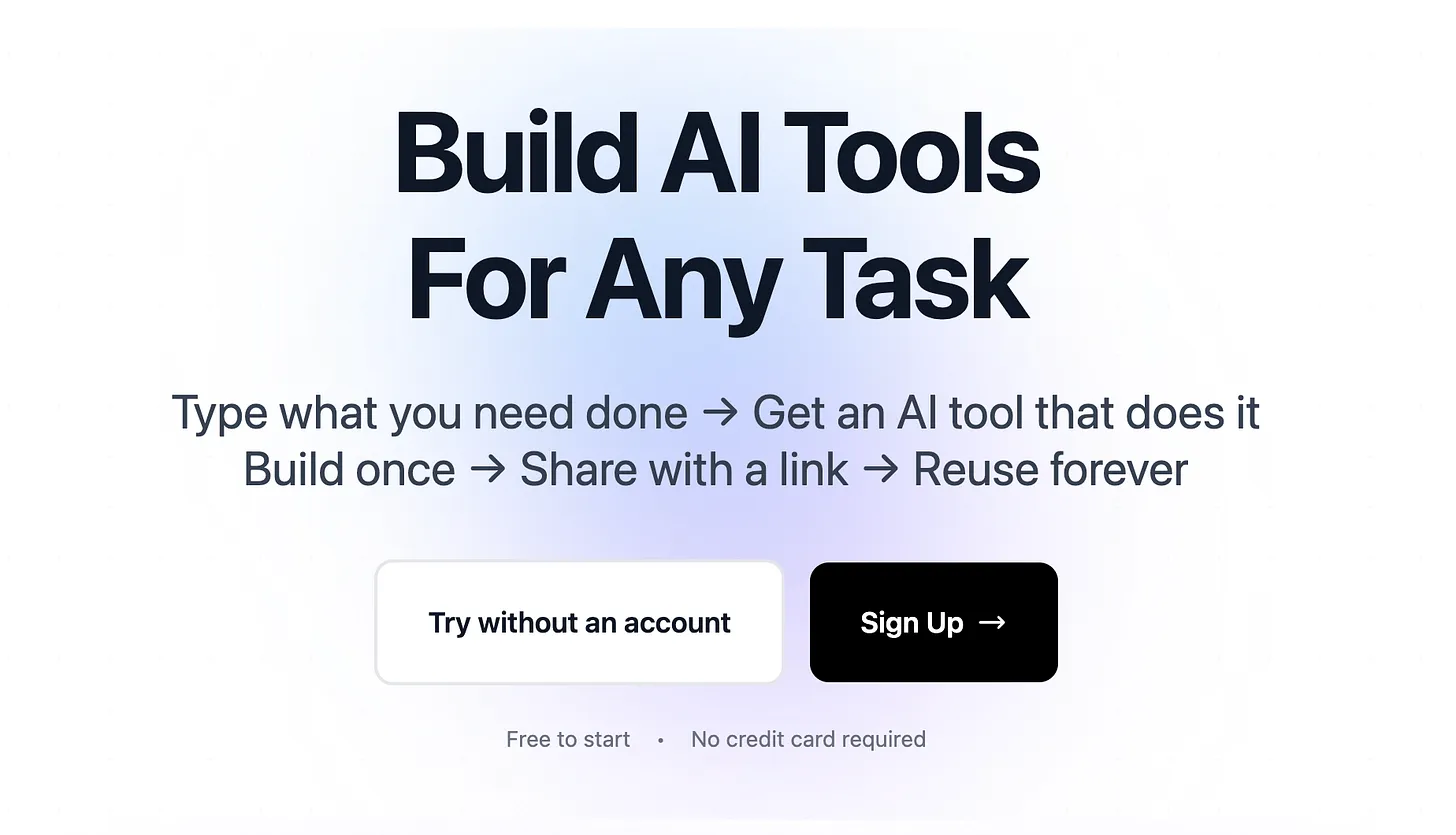
Important for healthcare: All data processing happens securely, but always follow your organization's HIPAA policies regarding patient information.
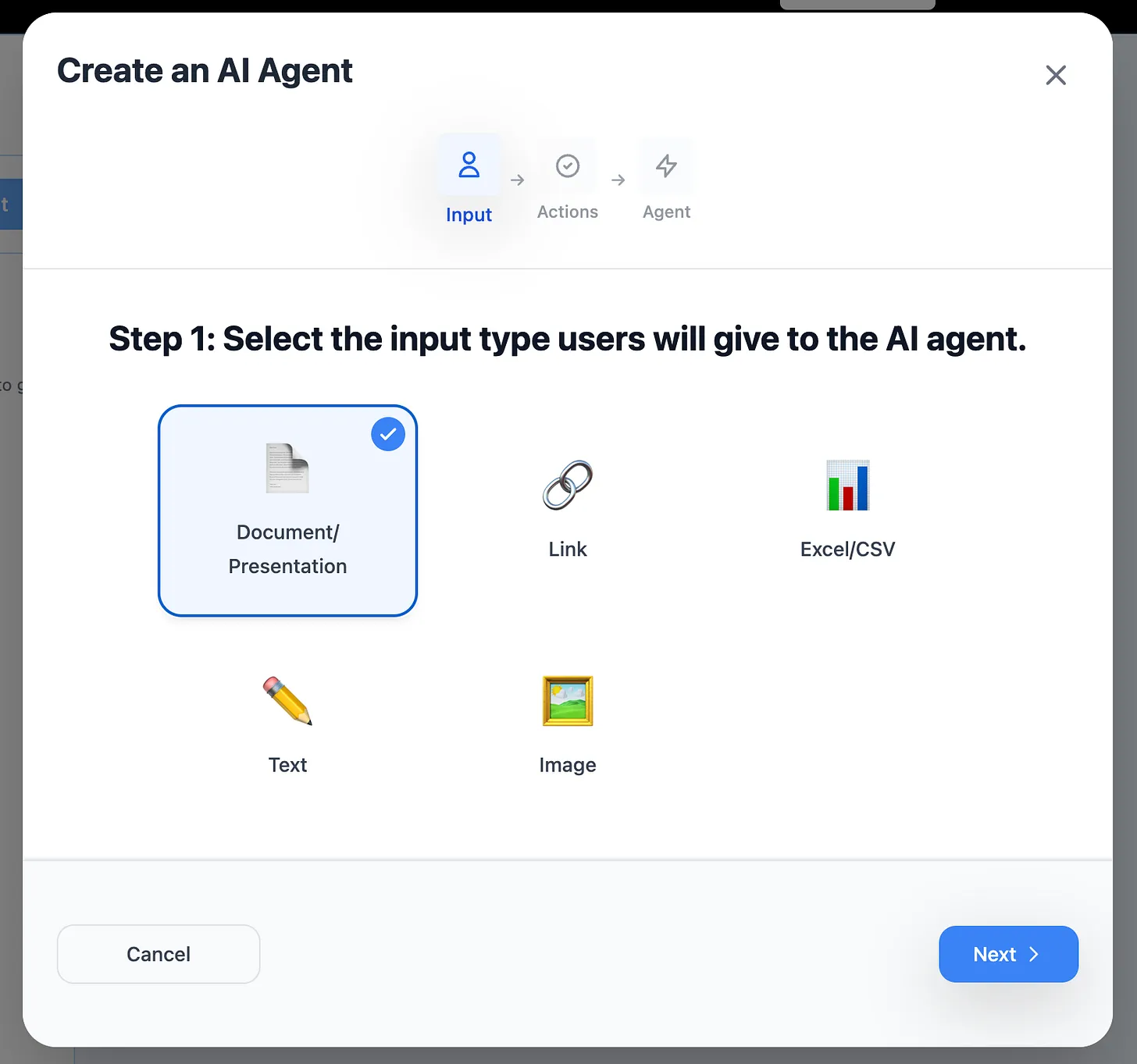
Step 2: Choose Your Input Type
Select based on your workflow:
Text Input:
- Patient symptoms, diagnoses, treatment plans
- Best for: clinical notes, patient communications
- Examples: SOAP note generators, patient education writers
File Upload:
- Lab reports, imaging results, insurance documents
- Best for: document processing, data extraction
- Examples: lab result summarizers, insurance verifiers
Link Input:
- Medical literature, clinical guidelines
- Best for: research and reference materials
- Examples: article summarizers, guideline extractors
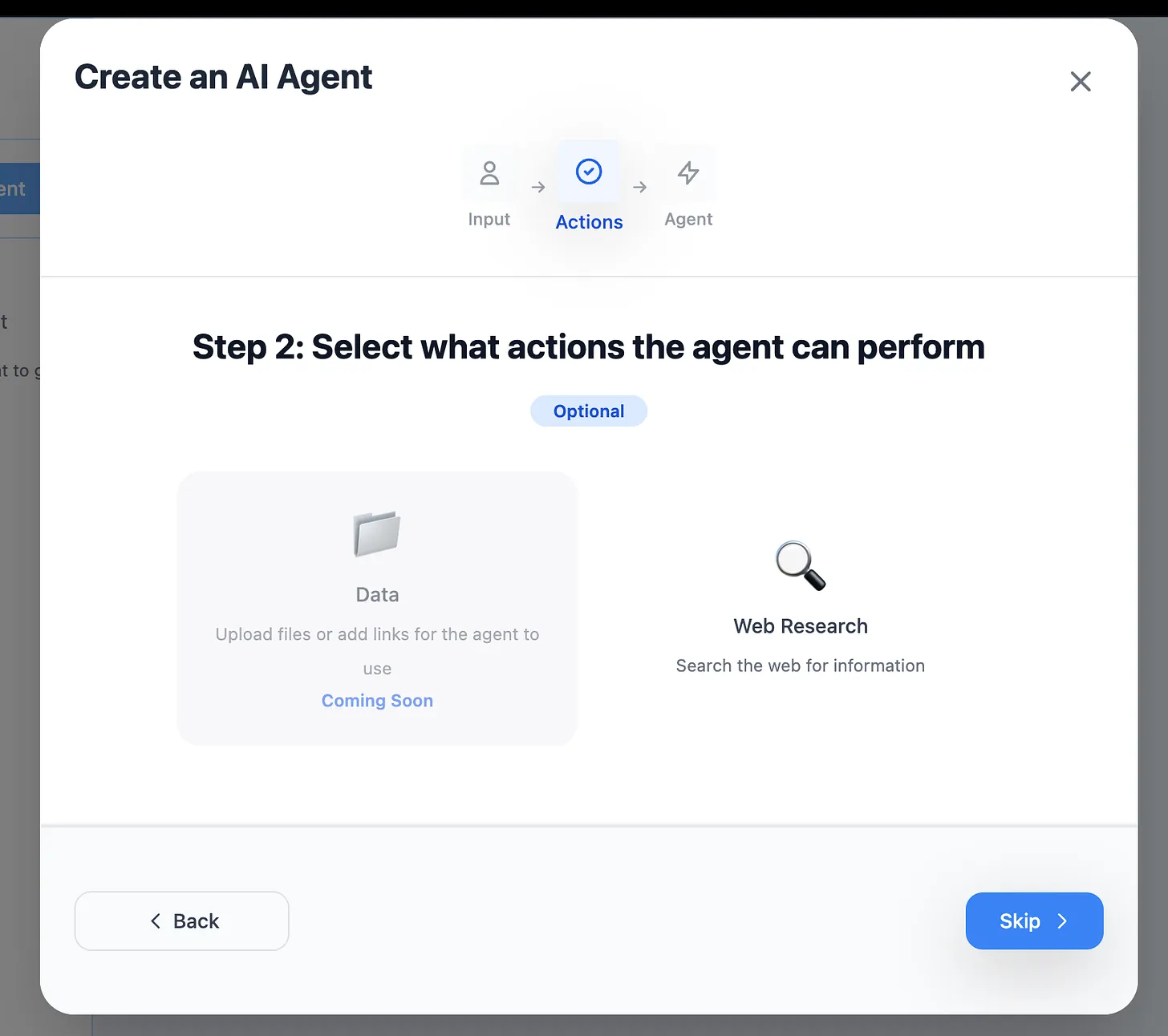
Step 3: Enable Web Research (Optional)
Enable for:
- Drug information lookups
- Current treatment guidelines
- Insurance formulary checks
- Clinical trial searches
Skip for:
- Patient data processing
- Internal documentation
- Protected health information
- Billing and coding tasks
Step 4: Describe Your Clinical Tool
Be specific about medical requirements and output format.
Example: SOAP Note Generator
"Convert voice-recorded patient encounter into a structured SOAP note format:
Subjective: Patient's chief complaint and history of present illness Objective: Vital signs, physical exam findings Assessment: Diagnosis with ICD-10 codes Plan: Treatment plan, medications, follow-up instructions
Include relevant medical history. Flag any critical findings. Format for EHR copy-paste."
Example: Lab Result Explainer
"Read uploaded lab report and create patient-friendly explanation:
- List each test with normal range
- Highlight abnormal values
- Explain what abnormal values mean in simple terms
- Suggest follow-up questions for doctor
- Use 8th-grade reading level
- Avoid medical jargon"
Example: Prior Auth Request Builder
"Generate prior authorization request for insurance:
Patient Information: Extract from uploaded documents Diagnosis: ICD-10 codes with clinical description Treatment Requested: Specific procedure/medication Medical Necessity: Evidence-based justification with references Supporting Documentation: List of attached records
Format for insurance company portal submission."
Step 5: Generate and Test Your Healthcare Tool
Click "Design Agent" and wait 5-10 seconds.
Test with de-identified data first:
- Use sample patient cases (not real PHI)
- Test various clinical scenarios
- Verify medical accuracy
- Check formatting for your EHR
Important: Never test with actual patient data until you've verified the tool works correctly.
Healthcare-Specific Best Practices
Ensure Medical Accuracy
Include clinical context: "When suggesting diagnoses, always include differential diagnoses. Flag red flag symptoms that require immediate attention. Reference current clinical guidelines."
Specify medical standards: "Use AMA citation format. Reference only peer-reviewed sources published within last 5 years. Include evidence level (Level A, B, or C)."
Define safety parameters: "If patient describes chest pain, shortness of breath, or severe headache, recommend immediate emergency evaluation. Never delay emergency care."
Maintain HIPAA Compliance
De-identification guidelines:
- Remove all 18 HIPAA identifiers before testing
- Use fictional patient names and dates
- Never share tools containing real PHI
- Follow your organization's data policies
Secure sharing:
- Share only with authorized staff
- Use organization-approved platforms
- Document tool usage in compliance logs
- Regular security audits
Data handling:
- Process minimum necessary information
- Don't store patient data in tool descriptions
- Clear test data after validation
- Regular access reviews
Optimize for Clinical Workflows
EHR integration considerations: "Format output for direct copy-paste into [your EHR name]. Use paragraph format, not bullet points. Include date/time stamp."
Time-sensitive tasks: "Process urgent referrals within 2 hours. Flag STAT orders in red. Sort by priority: STAT, Urgent, Routine."
Multi-disciplinary communication: "Use terminology appropriate for [nurses/pharmacists/therapists]. Avoid specialty-specific jargon. Include relevant context for handoffs."
Handle Edge Cases in Healthcare
Missing information: "If critical lab values are missing, output 'VALUE NOT PROVIDED - REQUIRES MANUAL REVIEW' instead of leaving blank."
Abnormal findings: "If any value is >3 standard deviations from normal, highlight in RED and add 'CRITICAL VALUE - NOTIFY PHYSICIAN IMMEDIATELY'."
Unclear data: "If handwriting is illegible or data is ambiguous, flag for manual review rather than guessing. Patient safety is priority."
Real-World Impact: Healthcare AI Tool Case Studies
Case Study: Primary Care Practice
Challenge: 45 minutes daily on patient portal messages
Solution: Patient Question Response Generator
- Input: Patient portal messages
- Output: Empathetic, medically accurate response drafts
Results:
- 38 minutes saved daily per physician
- 3+ hours weekly recovered for patient care
- 50% faster patient response times
- 95% of responses needed minimal editing
- Annual time savings: 190+ hours per physician
Case Study: Hospital Medicine Service
Challenge: 2+ hours daily on discharge documentation
Solution: Discharge Summary and Instructions Generator
- Input: Admission diagnosis, hospital course, medications
- Output: Complete discharge summary + patient instructions
Results:
- 15 minutes saved per discharge
- 90 minutes daily time savings per hospitalist
- Reduced 30-day readmissions by 12%
- Improved patient satisfaction scores
- Annual time savings: 375+ hours per hospitalist
Case Study: Specialty Referral Clinic
Challenge: 30+ minutes processing each referral packet
Solution: Referral Documentation Analyzer
- Input: External referral documents (multiple pages)
- Output: Structured summary with key information
Results:
- 22 minutes saved per referral
- Process 40% more referrals daily
- Reduced appointment scheduling errors
- Better prepared physicians
- Annual time savings: 450+ hours for clinic
Case Study: Medical Billing Department
Challenge: High claim denial rate, time-consuming appeals
Solution: Claim Denial Analyzer and Appeal Generator
- Input: Insurance denial letters
- Output: Denial reason analysis + appeal template
Results:
- 12 minutes saved per denied claim
- Appeal success rate increased from 42% to 67%
- $125,000 additional revenue recovered annually
- Reduced accounts receivable aging
- ROI: 850% in first year
Advanced Healthcare AI Tool Strategies
Build a Clinical Tool Library
Organize by department:
- Front desk (verification, scheduling)
- Clinical (documentation, orders)
- Nursing (care plans, handoffs)
- Billing (coding, claims)
- Quality (metrics, reporting)
Create standardized workflows:
- Morning huddle preparation
- Pre-visit planning
- Post-visit documentation
- End-of-day closeout
- Weekly quality reviews
Train Your Healthcare Team
Onboarding process:
- Demonstrate 3 most impactful tools
- Have staff test with sample data
- Share tool directory with descriptions
- Provide quick reference guide
- Designate "tool champions"
Ongoing support:
- Weekly tip emails
- Monthly tool showcase
- Feedback collection system
- Regular tool optimization
- New use case brainstorming
Measure Clinical Impact
Track these metrics:
- Documentation time saved
- Patient portal response time
- Claim denial rate
- Patient satisfaction scores
- Staff burnout indicators
- Revenue cycle metrics
Calculate ROI:
- Time saved × hourly rate
- Additional patient visits accommodated
- Reduced claim denials
- Improved quality measure performance
- Decreased staff turnover
Ensure Continuous Improvement
Monthly review process:
- Gather staff feedback
- Analyze tool usage patterns
- Identify pain points
- Update tool descriptions
- Test improvements
- Communicate changes
Quality assurance:
- Regular accuracy audits
- Peer review of outputs
- Compliance checks
- Patient safety reviews
- Documentation validation
Common Mistakes in Healthcare AI Tool Building
Mistake #1: Too General for Clinical Use
Problem: "Summarize this medical document"
Solution: "Extract patient name, DOB, diagnosis with ICD-10 codes, current medications with dosages, allergies, and recent lab values (CBC, CMP). Format as EHR-ready summary with critical values highlighted."
Mistake #2: Ignoring Medical Terminology
Problem: Not specifying medical standards
Solution: "Use standard medical abbreviations (HTN, DM2, CAD). Include both generic and brand names for medications. Format vital signs as: BP 120/80, HR 72, RR 16, Temp 98.6°F, SpO2 98% RA."
Mistake #3: Missing Safety Checks
Problem: No flagging of critical findings
Solution: "If any of the following are present, add 'URGENT REVIEW REQUIRED' at top: chest pain, severe bleeding, altered mental status, critical lab values, drug interactions, or patient distress indicators."
Mistake #4: Wrong Output Format
Problem: Outputs don't fit clinical workflow
Solution: "Format for direct EHR copy-paste. Use single paragraph format, no bullets. Include provider signature line. Auto-populate date/time stamp. Match hospital documentation standards."
Mistake #5: Not De-identifying Test Data
Problem: Using real patient information for testing
Solution: "Create synthetic test cases with fictional names (John Doe, Jane Smith), modified dates, and placeholder MRNs. Never use actual PHI during tool development or testing."
Healthcare-Specific Tool Ideas by Specialty
Primary Care
- Annual physical template generator
- Preventive care reminder composer
- Chronic disease management tracker
- Vaccine schedule checker
- Health maintenance planner
Emergency Medicine
- Triage note generator
- ED discharge instruction writer
- Critical value alert formatter
- Transfer summary composer
- Procedure documentation template
Surgery
- Operative note structure builder
- Pre-op checklist generator
- Post-op instruction composer
- Surgical consent form filler
- Complication reporting tool
Pediatrics
- Growth chart interpreter
- Developmental milestone tracker
- Parent education handout creator
- Immunization record formatter
- Well-child visit template
Mental Health
- Intake assessment organizer
- Treatment plan generator
- Progress note summarizer
- Safety plan creator
- Therapy session documentation
Radiology
- Findings report template
- Critical finding notification
- Comparison study analyzer
- Patient prep instruction writer
- Procedure protocol selector
Compliance and Legal Considerations
HIPAA Requirements
Before building tools:
- Review your organization's BAA (Business Associate Agreement)
- Understand permitted and prohibited uses of PHI
- Document tool creation and usage
- Implement access controls
- Train staff on appropriate use
During tool use:
- Process only minimum necessary information
- Don't include PHI in tool descriptions
- Use secure sharing methods
- Log tool access and usage
- Regular compliance audits
Medical-Legal Protection
Disclaimer template for tools: "This AI-generated content is a draft for clinical review. All outputs must be verified by a licensed healthcare professional before use in patient care. This tool does not replace clinical judgment."
Documentation:
- Save tool versions used
- Log any modifications made
- Track clinical decisions made with tool assistance
- Document manual verification steps
- Maintain audit trails
State and Federal Regulations
Consider:
- State-specific telehealth rules
- Medicare documentation requirements
- Medicaid billing guidelines
- Specialty board standards
- Hospital accreditation standards
Integration with Existing Healthcare Systems
EHR Compatibility
Optimize outputs for:
- Copy-paste into progress notes
- Smart phrase integration
- Template population
- Structured data fields
- Quick text insertion
Test with your EHR:
- Verify formatting preservation
- Check special character handling
- Validate date/time formats
- Test with actual workflows
- Gather user feedback
Practice Management Systems
Tool applications:
- Appointment reminder generation
- Patient statement creation
- Insurance verification parsing
- Scheduling optimization
- Revenue cycle reports
Secure Communication Platforms
Integrate with:
- Patient portals
- Secure messaging systems
- Care coordination platforms
- Telehealth systems
- Team communication tools
The Future of Healthcare AI Tools
Emerging Capabilities
Coming soon:
- Voice-to-note real-time transcription
- Multi-document clinical synthesis
- Predictive clinical decision support
- Automated quality measure calculation
- Integrated EHR workflows
Preparing for AI in Healthcare
Stay ahead by:
- Building tools regularly (start with 1 per week)
- Sharing successes with colleagues
- Joining healthcare AI communities
- Attending informatics conferences
- Advocating for AI integration in your organization
Reducing Clinical Burnout
AI tools address top burnout causes:
- Excessive documentation time
- Administrative burden
- Inbox management
- After-hours work
- Regulatory compliance paperwork
Impact on clinician wellbeing:
- 2+ hours daily returned to patient care
- Reduced evening charting
- Less cognitive load
- More meaningful work
- Improved work-life balance
Get Started with Healthcare AI Tools Today
Stop drowning in paperwork. Build custom AI tools that automate your most time-consuming clinical tasks—no coding required.
Your first healthcare tool checklist:
- ✅ Identify your most time-consuming task
- ✅ Visit Miskies AI Agents
- ✅ Click "Create+"
- ✅ Choose input type (text/file/link)
- ✅ Describe clinical requirements clearly
- ✅ Click "Design Agent"
- ✅ Test with de-identified data
- ✅ Share with clinical team
Free to Start • No Coding Required • HIPAA-Conscious Design • Browser-Based • Shareable
Popular First Healthcare Tools to Build:
Easiest (5 min value):
- Patient email response generator
- Lab result explainer
- Medication list formatter
High-impact (15-30 min value):
- SOAP note generator
- Referral letter writer
- Discharge instruction creator
Game-changers (60+ min value):
- Prior authorization request builder
- Quality metrics extractor
- Clinical documentation summarizer
Need help optimizing your healthcare AI tools? Our team understands clinical workflows and responds within 24 hours to help you maximize efficiency.
Join thousands of healthcare professionals using AI tools to reduce documentation burden, prevent burnout, and spend more time with patients.
Keywords: AI tools for healthcare, medical AI automation, clinical documentation AI, healthcare workflow automation, HIPAA compliant AI tools, medical practice automation, reduce physician burnout, clinical AI tools, healthcare productivity tools, medical administrative automation